Many homeowners and property managers notice that dealing with unwanted pests shares surprising similarities with maintaining complex software and computer systems. Both areas demand proactive attention to prevent small issues from escalating into major disruptions. Both benefit from structured approaches that emphasize prevention over reaction.
Prevention Forms the Foundation
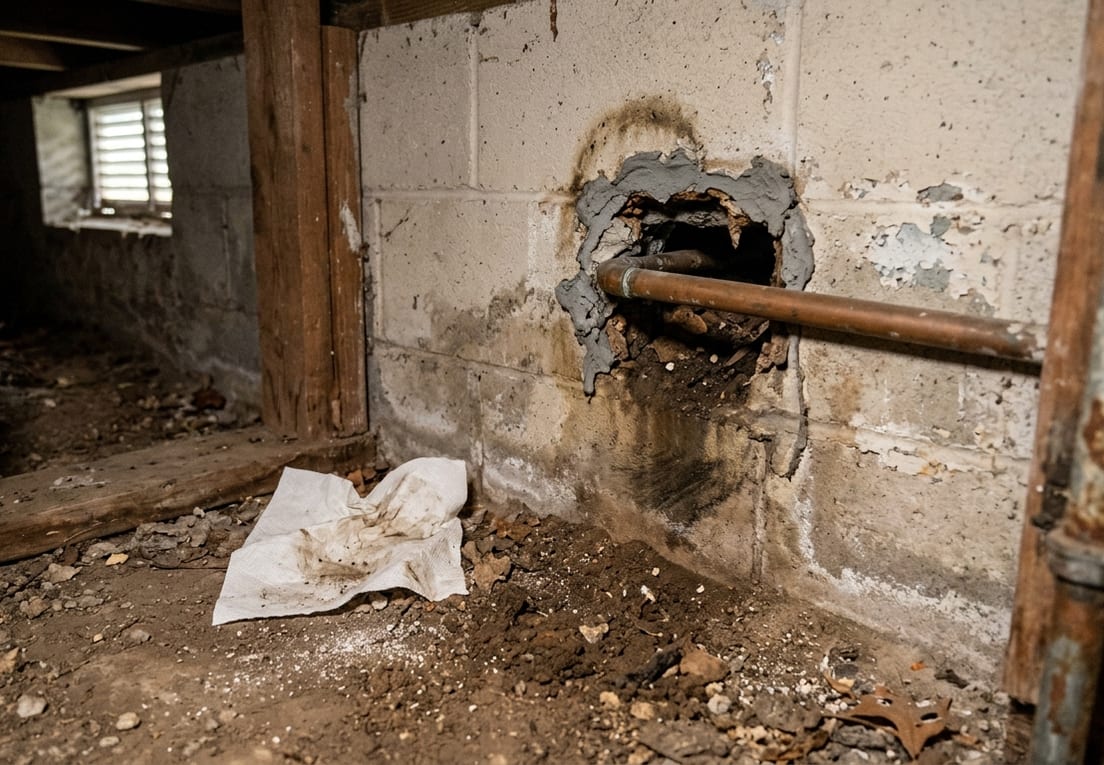
In software environments, regular updates and patches close security gaps before they can be exploited. The same principle applies to physical spaces where pests might enter. Sealing cracks and managing moisture levels create barriers that stop problems at the source. This approach reduces the need for more intensive interventions later.
How do you spot trouble before it spreads?
Software teams rely on logs, alerts, and routine scans to catch anomalies before they cause downtime. Pest management follows a comparable path through scheduled inspections that identify signs of activity at their earliest stages. Early detection allows for targeted responses that keep situations contained.
When concerns arise about how these processes work together, professionals provide clear explanations and step-by-step guidance. This reassurance helps clients understand that consistent oversight leads to reliable outcomes without unnecessary stress.
Professional Tools and Techniques
Just as IT specialists use specialized software for diagnostics and remediation, pest control experts employ integrated methods suited to each situation. These include safe application practices and habitat modification. Clients gain confidence knowing that trained personnel handle the details while keeping safety as the top priority.
First TVA Pest Control shows how an experienced provider brings the same kind of systematic checks and tailored fixes you see in well-run technology setups.
Handling Unexpected Challenges
System crashes or sudden infestations can both create immediate worry. In each case, rapid assessment followed by methodical correction restores normal function. The key is having access to resources that address root causes rather than surface symptoms alone.
Regular assessments identify vulnerabilities before they expand. Documented plans guide consistent actions across different scenarios. Follow-up evaluations confirm that measures remain effective over time.
Education Empowers Better Decisions
Users who understand basic maintenance tasks in software feel more in control of their devices. Property owners receive similar benefits when they learn simple habits that discourage pest activity. Clear communication from service providers turns complex topics into manageable steps.
Accountability Through Records
Service records in pest work track every treatment and observation, much like version control tracks code changes. Both create a clear history you can review later.
Sustainable software systems incorporate redundancy and adaptability. Effective pest management builds comparable resilience through layered defenses and periodic reviews.
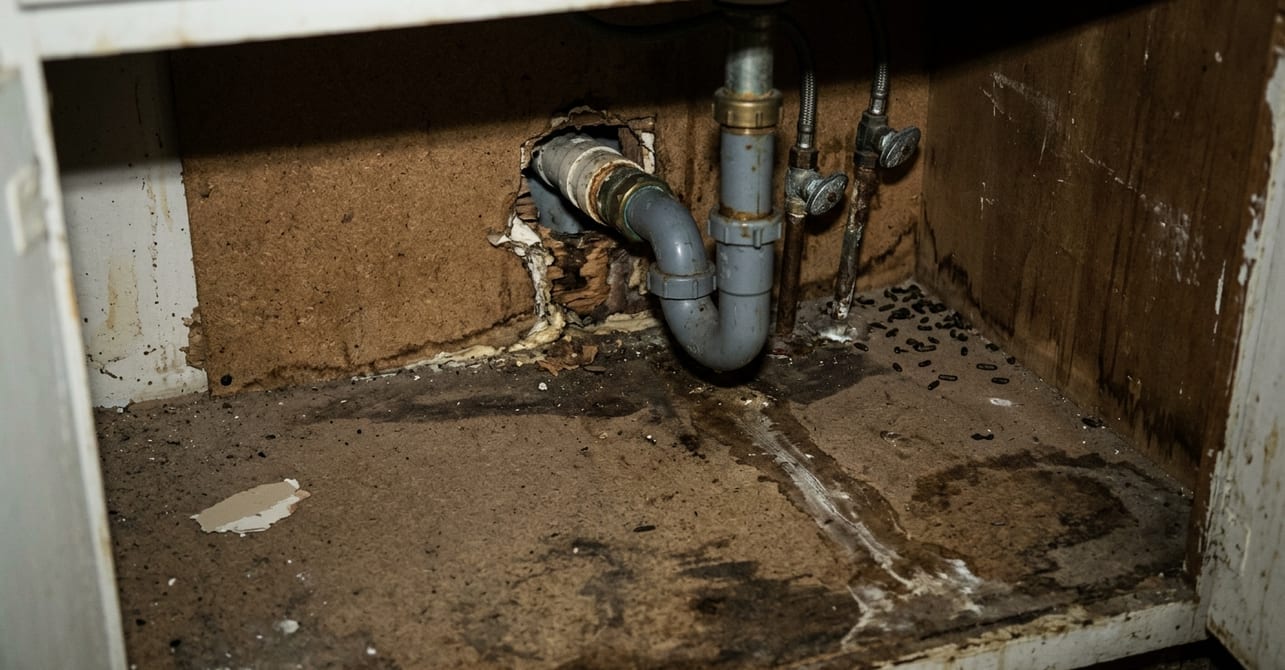
Reassurance comes from knowing that experts stand ready to interpret findings and adjust plans as needed.
Expanding on these ideas reveals even more connections. Software version control tracks changes to maintain integrity, much like service records track treatments and observations in pest management. Both create accountability and allow for informed adjustments. When clients review these records, they see tangible progress and evidence that their concerns are being addressed methodically.
Another parallel lies in scalability. A small network or a single building may require basic protocols, yet larger operations demand coordinated responses across multiple points. Professionals adapt their frameworks to match the scope, delivering consistent results regardless of size.
Clients often express relief once they realize these systems do not require constant personal oversight. Instead, scheduled professional involvement handles the technical aspects while providing updates that keep everyone informed. This division of labor allows focus on daily priorities without distraction from underlying maintenance needs.
In practice, the parallels encourage a mindset shift from reactive fixes to ongoing care. Protecting data integrity or maintaining a comfortable living space both lead to greater confidence and fewer surprises. Professionals reinforce this by explaining each recommendation in accessible terms.
Continued education reinforces these benefits. Workshops or simple guides on common practices from MSU Extension help bridge the gap between expert knowledge and everyday application. As understanding grows, clients become active participants who recognize early indicators and respond appropriately.
The real payoff shows up in day-to-day reliability.