Smart home technology has revolutionized how we interact with our living spaces, offering unprecedented control over security, climate, entertainment, and energy management. For developers and tech enthusiasts who’ve invested thousands of dollars into creating the perfect connected ecosystem, water damage represents one of the most devastating threats to both property and sophisticated electronics.
The intersection of advanced home automation and water damage restoration requires a specialized understanding that goes beyond traditional cleanup methods. Modern smart homes contain sensitive equipment, intricate wiring systems, and interconnected devices that demand careful handling during restoration processes.
Understanding the Unique Vulnerabilities of Smart Home Systems
Smart home infrastructure creates additional complications when water intrusion occurs. Unlike traditional homes where damage assessment focuses primarily on structural elements and basic electrical systems, connected homes require evaluation of network equipment, sensors, smart panels, and integrated devices throughout the property.
Water can infiltrate areas where developers have installed low-voltage wiring for automation systems, potentially compromising entire networks of connected devices. Smart thermostats, motorized window treatments, voice-controlled lighting systems, and security cameras all become vulnerable when moisture enters wall cavities or ceiling spaces where these systems typically run.
The challenge intensifies when considering that many smart home components operate continuously, drawing power even during standby modes. This constant electrical activity increases the risk of short circuits and electrical fires when water exposure occurs, making rapid response absolutely critical.
Common Water Damage Scenarios in Technology-Forward Homes
HVAC and Smart Climate Control Failures
Sophisticated climate control systems with smart thermostats and zoned heating often involve complex ductwork and condensate management. When drain lines become clogged or condensate pumps fail, water accumulates in areas housing control boards and sensors. These failures can cascade through interconnected systems, affecting humidity sensors, air quality monitors, and automated ventilation controls.
Appliance Integration Complications
Smart appliances connected to home networks—from refrigerators with water dispensers to washing machines with WiFi connectivity—present unique failure points. When supply lines fail or drain systems backup, water damage extends beyond the immediate appliance area to affect nearby networking equipment, smart outlets, and control panels that enable automation features.
Roof and Exterior Sensor Damage
Many modern smart homes feature exterior sensors for weather monitoring, automated irrigation management, and security systems. Roof leaks or exterior water intrusion can compromise these devices while simultaneously allowing water to travel along wiring paths directly into interior walls where additional smart home infrastructure resides.
Why Specialized Restoration Matters for Smart Homes
Traditional water damage restoration focuses on extracting water, drying structures, and preventing mold growth. While these fundamentals remain essential, smart home restoration requires additional expertise in protecting and recovering technology systems.
Professional restoration teams experienced with modern home automation understand the importance of immediately disconnecting affected circuits to prevent electrical damage while maintaining power to unaffected systems that provide security and environmental monitoring. They recognize which components can be salvaged versus which require replacement, potentially saving thousands in unnecessary equipment costs.
Expert Water Damage Restoration in Lexington, Kentucky for Smart Homes
When dealing with water damage in a technology-rich environment, homeowners benefit significantly from working with restoration professionals who understand both construction and connected systems. Smart home owners throughout the Bluegrass region face unique challenges when water intrusion threatens their sophisticated automation investments. If you’re facing water damage in a smart home environment, it’s essential to visit site resources that specialize in protecting both your property structure and your technology investments.
Immediate Steps Developers Should Take After Water Intrusion
Power Management Protocol
The first priority involves strategic power management. Rather than shutting down the entire electrical system, identify and isolate only the circuits affected by water exposure. This approach maintains functionality for unaffected smart systems, including security cameras, door locks, and environmental monitoring that provide ongoing protection and documentation.
Document which smart devices were operational before the incident and their locations. This information proves invaluable during restoration and insurance claims, particularly when determining whether devices failed due to water damage or were simply offline during the event.
Technology Inventory and Documentation
Create a comprehensive inventory of all smart home components, including:
- Central control hubs and home automation controllers
- Smart speakers and voice assistants throughout the property
- Connected thermostats and climate control interfaces
- Security system components including cameras, sensors, and control panels
- Smart lighting systems and motorized window treatments
- Network infrastructure including routers, switches, and access points
- Integrated appliances with connectivity features
Photograph all affected areas before any restoration work begins, capturing both obvious damage and the locations of technology installations. These images serve as critical evidence for insurance purposes and help restoration teams understand the full scope of your smart home ecosystem.
Data Backup Verification
Verify that cloud backups of your home automation configurations, security footage, and system settings are current and accessible. Many smart home platforms offer cloud storage, but local backup devices may have been compromised by water damage. Confirming data integrity early in the restoration process prevents the additional loss of configurations that took months or years to perfect.
The Restoration Process for Connected Homes
Assessment Phase
Professional assessment in smart homes extends beyond moisture mapping and structural evaluation. Technicians should test electrical systems with particular attention to low-voltage circuits, network pathways, and device locations. Thermal imaging helps identify moisture within walls where automation wiring runs, revealing hidden damage that could affect system performance long after visible water disappears.
Strategic Drying and Dehumidification
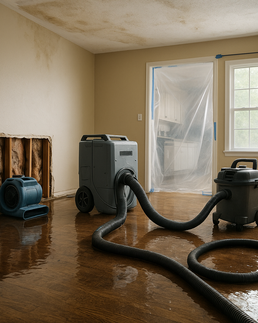
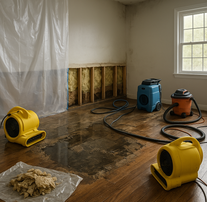
Drying protocols must account for sensitive electronics. Industrial dehumidifiers and air movers should be positioned to avoid directing high-velocity air directly at exposed circuit boards or control panels. Temperature management becomes crucial, as excessive heat during drying can damage components even if they survived initial water exposure.
Technology Recovery and Testing
Once structures reach appropriate moisture levels, systematic testing of smart home components begins. This process should follow a logical hierarchy, starting with network infrastructure, then central control systems, and finally individual devices. This methodical approach identifies cascading failures and prevents powering up devices that might short circuit due to residual moisture.
Preventing Future Water Damage in Smart Homes
Leverage Your Technology for Protection
Smart home developers should deploy their automation capabilities toward water damage prevention. Modern leak detection sensors cost relatively little compared to restoration expenses and integrate seamlessly with existing home automation platforms.
Position water sensors in high-risk areas including:
- Beneath water heaters and HVAC equipment
- Near washing machines, dishwashers, and refrigerators
- Under sinks and around toilet bases
- In basements and crawl spaces
- Near sump pumps and floor drains
Configure these sensors to trigger immediate notifications and automatic shutoff valves that stop water flow when leaks are detected. This integration transforms your smart home from a vulnerable target into an active defense system against water damage. For comprehensive flood preparedness guidance, consult https://www.ready.gov/floods for best practices in protecting your home.
Automated Monitoring and Maintenance Reminders
Program your home automation system to monitor and remind you about maintenance tasks that prevent water damage. Set calendar reminders for inspecting supply lines, testing sump pumps, cleaning gutters, and checking HVAC condensate systems. Some smart home platforms can even monitor water usage patterns to detect anomalies that might indicate hidden leaks.
Insurance Considerations for Smart Home Water Damage
Standard homeowners insurance policies may not adequately cover the full value of smart home technology and its installation costs. Review your coverage specifically addressing:
- Replacement cost versus actual cash value for electronics
- Coverage limits for computer equipment and home automation systems
- Professional installation costs for replacement technology
- Loss of use provisions if smart home systems require extended restoration time
Document your smart home investments with receipts, installation records, and periodic valuations. This documentation streamlines claims processes and ensures appropriate compensation when water damage occurs. The Insurance Institute for Business & Home Safety provides valuable resources on risk mitigation strategies that can help reduce insurance premiums while protecting your technology investments.
The Future of Water Damage Prevention in Smart Homes
Emerging technologies continue improving water damage detection and prevention. Artificial intelligence algorithms now analyze usage patterns to predict potential failures before they occur. Smart shutoff valves with pressure monitoring can detect burst pipes within seconds and stop water flow automatically.
For developers building or upgrading smart homes, investing in comprehensive water protection systems makes financial sense. The cost of advanced leak detection, automatic shutoffs, and monitoring systems represents a fraction of potential water damage restoration expenses, particularly when factoring in the replacement of sophisticated automation equipment.
Conclusion: Protecting Your Investment
Smart home development represents a significant investment in both financial resources and time spent perfecting automation systems. Water damage threatens not only the physical structure but also the intricate technology ecosystem that defines modern connected living.
By understanding the unique vulnerabilities of smart home systems, implementing preventive technologies, and working with restoration professionals who appreciate the complexity of connected homes, developers can protect their investments and minimize disruption when water intrusion occurs. The integration of proactive monitoring, rapid response protocols, and specialized restoration approaches ensures that your smart home remains both technologically advanced and resilient against one of property ownership’s most common threats.